




Study Pharmacy in Europe in English
Studying pharmacy in Europe gives international students the opportunity to pursue pharmaceutical education in a diverse academic environment, with English-taught pharmacy programs available at selected universities.
At MedStart Edu, we help students explore pharmacy universities, compare countries and tuition fees, understand eligibility requirements, prepare applications and navigate the admission process.
Whether you are an Indian student or an international applicant, our guidance can help you understand your options for studying pharmacy in Europe in English.
Why Study Pharmacy in Europe?
Pharmacy combines pharmaceutical science, healthcare, laboratory education and the study of medicines.
European universities offer pharmacy-related programs with different academic structures and professional pathways. Students can compare universities based on curriculum, tuition fees, location, language, practical training and future career plans.
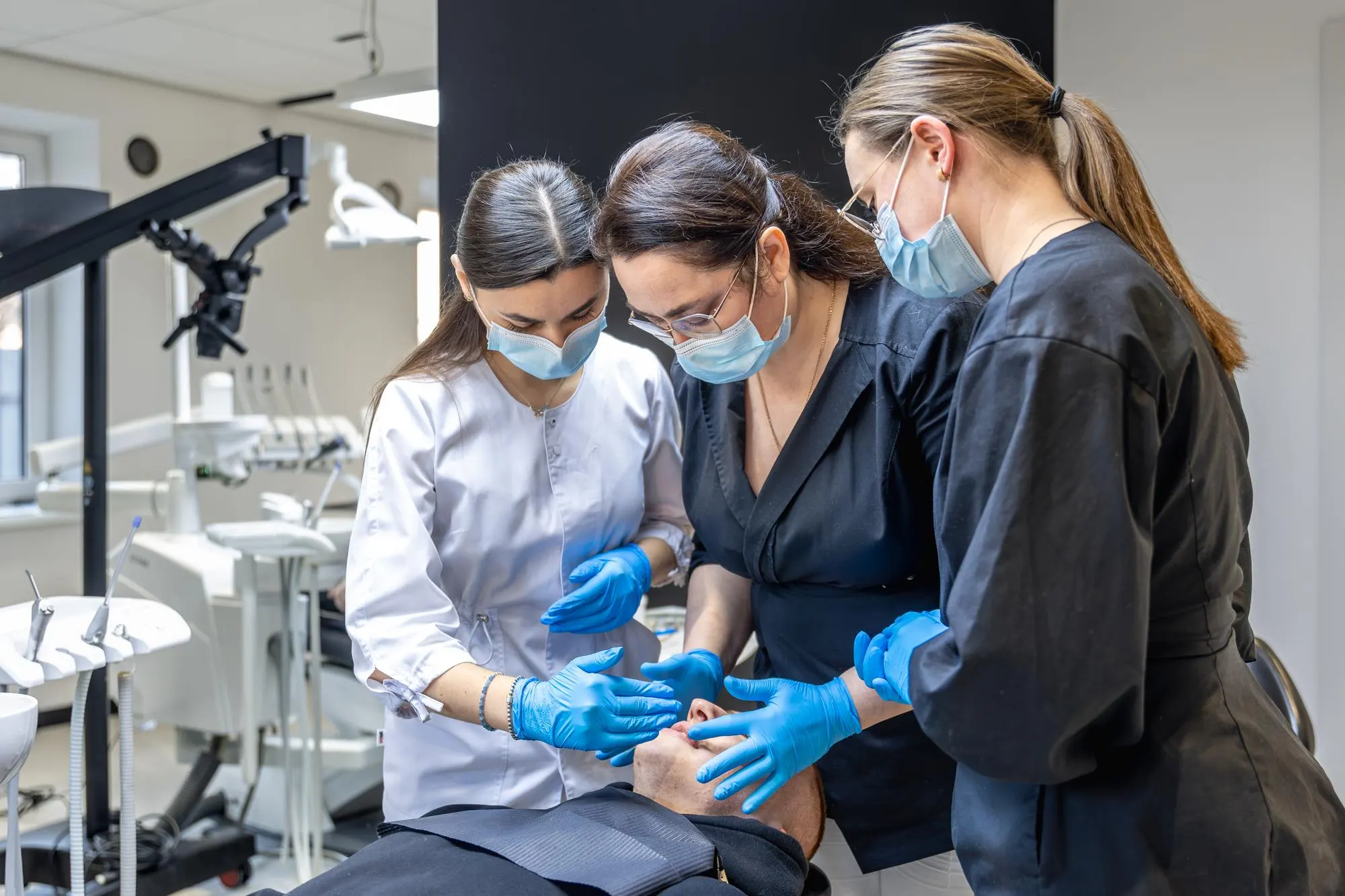
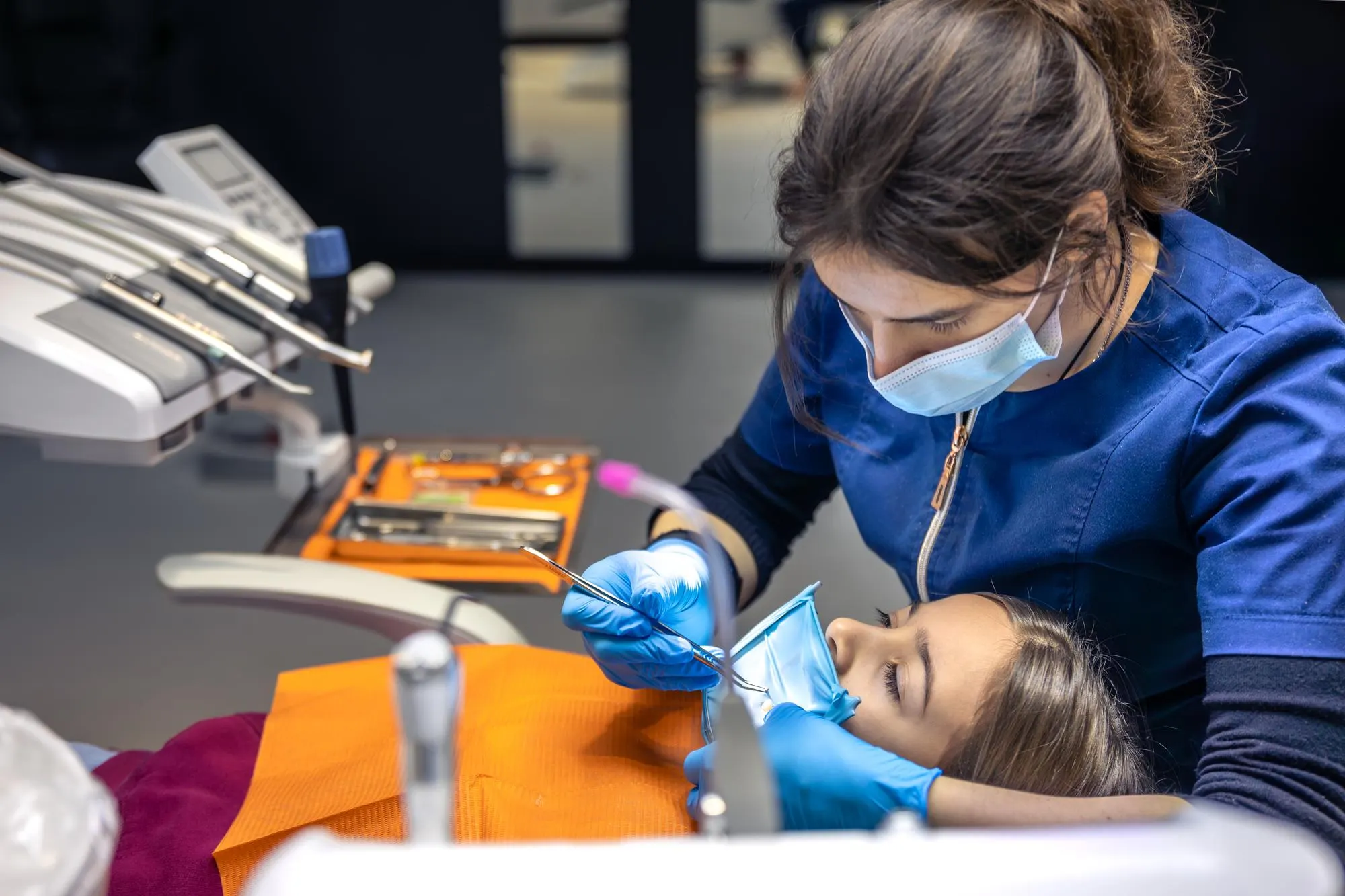
English-Taught Pharmacy Programs
Selected European universities offer pharmacy programs taught in English for international students.
English-medium education can make the academic experience more accessible for international applicants.
However, students should also check whether local-language knowledge is required for practical training, patient interaction, internships or professional registration.
Laboratory and Practical Learning
Pharmacy is strongly connected to laboratory and practical education.
Depending on the program, students may gain experience in areas such as:
- Pharmaceutical analysis
- Drug formulation
- Laboratory testing
- Pharmaceutical chemistry
- Quality control
- Research methods
- Pharmaceutical technology
Students should examine the practical and laboratory components of each university before applying.
Strong Pharmaceutical Education
Pharmacy education can include subjects covering:
- Pharmaceutical chemistry
- Pharmacology
- Pharmaceutics
- Pharmaceutical technology
- Biochemistry
- Microbiology
- Anatomy and physiology
- Medicinal chemistry
- Clinical pharmacy
- Drug safety
- Pharmaceutical analysis
The exact curriculum depends on the university and qualification.
International Learning Environment
European universities attract students from different countries.
An international learning environment can provide students with exposure to different academic backgrounds and cultures while studying pharmaceutical sciences.
Study Pharmacy in Europe in English
English-taught pharmacy programs are available at selected universities in Europe.
A pharmacy curriculum may cover both fundamental sciences and specialized pharmaceutical subjects.
Common areas of study can include:
Pharmaceutical Sciences
-
Pharmaceutics
-
Pharmaceutical chemistry
-
Pharmacology
-
Pharmacognosy
-
Pharmaceutical analysis
-
Medicinal chemistry
Biological and Medical Sciences
-
Anatomy
-
Physiology
-
Biochemistry
-
Microbiology
-
Pathology
Applied Pharmacy
-
Depending on the program, students may study:
-
Clinical pharmacy
-
Drug interactions
-
Medication safety
-
Pharmaceutical care
-
Drug formulation
-
Quality assurance
The exact curriculum and professional scope vary between countries and universities.
What Do You Study in a Pharmacy Program?
Pharmacy education generally combines scientific knowledge with pharmaceutical applications.
Students may learn how medicines are:
- Discovered
- Developed
- Formulated
- Manufactured
- Tested
- Stored
- Distributed
- Used safely
The program can also introduce students to areas such as pharmacology, drug interactions, pharmaceutical calculations, dosage forms and medication management.
The precise subjects depend on the university and qualification.
Pharmacy Courses and Program Duration in Europe
The duration and structure of pharmacy education differ across European countries.
Some programs are structured as professional pharmacy degrees, while others may focus on specific areas of pharmaceutical science.
Before applying, students should check:
- Degree title
- Program duration
- Curriculum
- Clinical or practical training
- Internship requirements
- Language of instruction
- Professional registration requirements
Students should also distinguish between a pharmacy professional degree and a general pharmaceutical sciences degree because the career and licensing pathways may differ.
Countries to Consider for Pharmacy in Europe
Students can explore pharmacy education across several European destinations.
Rather than choosing a country solely because it appears inexpensive or popular, compare the individual university and program.
Study Pharmacy in Bulgaria

Bulgaria offers higher-education opportunities for international students, including pharmacy-related programs.
Students should compare:
- Tuition fees
- Admission requirements
- Program language
- Curriculum
- Practical training
- Accommodation
- Living costs
Study Pharmacy in Romania

Romania is another European destination that students can research when looking for pharmacy education.
Selected universities may offer programs for international students.
Students should verify the current language, tuition and admission requirements of the specific institution.
Study Pharmacy in Poland

Poland offers pharmaceutical education through its universities, with different programs and admission requirements for international applicants.
Students should review the current curriculum, fees and professional pathway before applying.
Study Pharmacy in Hungary

Hungary has universities offering pharmaceutical education to international students.
Students considering Hungary should compare program structure, tuition fees, admission criteria and language requirements.
Study Pharmacy in Other European Countries
Additional European destinations may also offer pharmacy or pharmaceutical science programs.
The availability of English-taught programs can change between universities and academic years.
For this reason, students should evaluate the specific university and course, rather than relying only on country-level information.

Study Pharmacy in Europe – Tuition Fees
The cost of studying pharmacy in Europe depends on the university, country, program and student circumstances.
An indicative range for some European pharmacy programs may be approximately €3,500–€8,000 per year, but this is not a universal fee range.
Tuition should always be confirmed with the university for the relevant academic year.
Other Education Costs
Students may also need to budget for:
- Application fees
- Registration fees
- Laboratory expenses
- Study materials
- Insurance
- Accommodation
- Transportation
- Residence-related costs
The total cost of studying pharmacy should therefore be calculated rather than looking only at tuition.
Living Costs for Pharmacy Students in Europe
Living expenses vary according to the country and city.
Typical expenses may include:
- Accommodation
- Food
- Transportation
- Health insurance
- Study materials
- Personal expenses
Students should compare the estimated total annual cost of different destinations before choosing a university.
A lower tuition fee does not necessarily mean a lower overall cost if accommodation and living expenses are substantially higher.
Eligibility to Study Pharmacy in Europe
Pharmacy admission requirements vary between universities.
Common requirements may include:
- Completion of secondary education
- Academic transcripts
- Relevant science subjects
- Biology and/or Chemistry where required
- Valid passport
- English-language evidence where applicable
- Entrance examination where applicable
- Interview where applicable
- Other university-specific documents
Some universities may have specific academic requirements for Chemistry, Biology, Mathematics or other science subjects.
Always check the current eligibility requirements of the individual university before applying.


English Requirements for Pharmacy Admission
English-language requirements vary between universities.
Depending on the institution, applicants may be asked to provide:
- IELTS
- TOEFL
- Another accepted English-language qualification
- Proof of previous English-medium education
- Medium of Instruction documentation
- University interview
- Internal English assessment
Not every university follows the same policy.
Students should therefore confirm the current English-language requirements directly with their chosen university.
Study Pharmacy in Europe Without IELTS
Some universities may allow international students to meet their English-language requirements without IELTS.
Possible alternatives may include:
- Previous education in English
- Medium of Instruction certificate
- University interview
- Internal English assessment
- Other university-approved evidence
No IELTS does not mean no English requirement.
Students still need sufficient English proficiency to understand lectures, complete coursework and communicate effectively in academic or practical environments.
University policies can change, so students should verify the current requirements before applying.
Admission Process to Study Pharmacy in Europe
The application process varies between universities, but students generally follow several stages
Step 1: Check Your Eligibility
Step 2: Select Suitable Universities
- Tuition fees
- Location
- Program structure
- Duration
- Language
- Practical training
- Admission requirements
- Career pathway
Step 3: Prepare Your Documents
- Academic certificates
- Mark sheets
- Transcripts
- Passport
- Photographs
- English-language documentation
- Application forms
- Other university-specific documents
Step 4: Submit Your Application
Step 5: Complete Additional Selection Requirements
- Entrance tests
- Interviews
- Document verification
- Additional assessments
Step 6: Receive Your Admission Decision
Step 7: Prepare for Visa and Travel
How to Choose a Pharmacy University in Europe
Choosing a pharmacy university should involve more than comparing tuition fees.
1. Check the Exact Degree
Understand whether the course leads to a professional pharmacy qualification or focuses primarily on pharmaceutical sciences.
2. Review the Curriculum
Look at the subjects, practical training and laboratory components.
3. Check the Language
Confirm whether the complete academic program is taught in English and whether local-language knowledge is needed for practical or professional activities.
4. Compare Total Costs
Consider tuition, accommodation, food, transportation, insurance and other expenses.
5. Check Practical Training
Understand the laboratory, internship and practical components of the course.
6. Research Professional Requirements
If you plan to work as a pharmacist after graduation, investigate the registration and licensing requirements of the country where you intend to practise.
7. Consider Your Long-Term Career
Your preferred career path should influence the type of pharmacy qualification and university you choose.
Why Choose MedStart Edu for Pharmacy Admission Guidance?
Choosing a pharmacy program abroad can involve comparing universities, countries, costs and admission requirements.
MedStart Edu provides structured guidance throughout the admission process.
University Shortlisting
Course and Country Comparison
Admission Guidance
Document Support
Application Assistance
Visa and Pre-Departure Guidance
Study Pharmacy in Europe for Indian Students
Indian students considering pharmacy education in Europe should evaluate both admission requirements and their long-term career plans.
Important factors include:
- Academic eligibility
- Biology and Chemistry requirements
- University selection
- Tuition fees
- Living expenses
- English-language requirements
- Course duration
- Practical training
- Degree type
- Recognition and professional requirements
- Visa and residence requirements

If you intend to return to India after completing your studies, investigate the current Indian requirements relevant to your intended pharmacy career before selecting a program.
A pharmacy qualification may have different recognition and professional registration requirements depending on the type of degree and intended role.
MedStart Edu can help students compare available options and understand the admission process.
Career Opportunities After Studying Pharmacy in Europe
Pharmacy and pharmaceutical education can lead to several career pathways.
Depending on the qualification and applicable professional requirements, graduates may explore areas such as:
Community Pharmacy
Working in community pharmacy settings where permitted by local regulations.
Hospital Pharmacy
Supporting medication management and pharmaceutical services in healthcare settings.
Pharmaceutical Industry
Career opportunities may include:
- Pharmaceutical manufacturing
- Quality control
- Quality assurance
- Regulatory affairs
- Research and development
- Production
- Drug safety
Academia
Further education can lead to teaching and academic research opportunities.
The exact career options depend on the qualification, country and applicable professional regulations
Research
Graduates may pursue research in:
- Drug development
- Pharmaceutical sciences
- Formulation
- Clinical research
- Pharmacology

Pharmacy vs Pharmaceutical Sciences
Students should understand the difference between these study pathways before applying.


Pharmacy
A professional pharmacy program may prepare students for regulated pharmacy practice, subject to the licensing and registration requirements of the relevant country.
Pharmaceutical Sciences
Pharmaceutical sciences can focus more heavily on areas such as:
- Drug discovery
- Pharmaceutical research
- Formulation
- Laboratory science
- Pharmaceutical technology
A pharmaceutical sciences degree may not automatically provide the same professional pathway as a pharmacy qualification.
Always check the exact degree title and professional status of the program before applying.
Important Things to Check Before Applying
Before applying to a pharmacy university in Europe, verify:
University
Is the university authorized to provide the specific program?
Degree
What exact qualification will you receive?
Program Language
Is the program taught in English?
Curriculum
Does the curriculum match your academic and career goals?
Practical Training
What laboratory, internship or practical components are included?
Tuition
What is the current annual tuition?
Total Cost
What are the expected accommodation and living expenses?
Professional Recognition
What registration or licensing requirements apply if you want to work as a pharmacist?
Career Pathway
Does the qualification support the career you intend to pursue?
Frequently Asked Questions
Can I study pharmacy in Europe in English?
Yes. Selected European universities offer pharmacy and pharmaceutical programs in English for international students. Availability varies by university and academic year.
How much does it cost to study pharmacy in Europe?
Tuition varies by university and country. Some programs may fall within an indicative range of approximately €3,500–€8,000 per year, but students should verify the current tuition directly with the university.
How much does it cost to study pharmacy in Europe?
English-taught pharmacy or pharmaceutical programs may be available at selected universities in countries such as Bulgaria, Romania, Poland, Hungary and other European destinations.
Can Indian students study pharmacy in Europe?
Yes. Indian students can apply to suitable European pharmacy programs provided they meet the university’s academic, language and other admission requirements.
Is IELTS required to study pharmacy in Europe?
Not necessarily. Requirements differ between universities. Some may accept previous English-medium education, interviews or other evidence of English proficiency.
Can I study pharmacy in Europe without IELTS?
Some universities may accept alternatives to IELTS, but students must meet the institution’s English-language requirements.
What subjects are required to study pharmacy?
Requirements vary, but universities may expect relevant science subjects such as Biology and Chemistry. Always check the specific university’s current criteria.
How long does it take to study pharmacy in Europe?
The duration depends on the country, university and type of pharmacy qualification. Students should confirm the exact duration and degree structure with the institution.
Is a European pharmacy degree recognized in India?
Recognition and professional eligibility depend on the specific qualification and applicable Indian regulations. Students intending to work in India should verify the current requirements before choosing a program.
What can I do after studying pharmacy in Europe?
Depending on the qualification and professional requirements, graduates may explore pharmacy practice, pharmaceutical research, pharmaceutical industry, regulatory affairs, quality control, drug safety and other healthcare-related careers.
What is the difference between pharmacy and pharmaceutical sciences?
Pharmacy is generally associated with the professional study and practice of medicines, while pharmaceutical sciences can have a stronger focus on scientific research, drug development and laboratory-based disciplines. The exact distinction depends on the qualification and country.

Start Your Pharmacy Education Journey in Europe
Choosing the right pharmacy program requires careful consideration of your academic profile, budget, preferred country and long-term career plans.
Compare universities, course structures, tuition fees, admission requirements, practical training and professional pathways before making your decision.
MedStart Edu can guide you through the process of exploring pharmacy programs and applying to suitable European universities.