



Study Dentistry in Europe in English (Fees, Eligibility, Top Countries & Universities)
Introduction
Study dentistry in Europe in English has become a leading choice for international students looking for high-quality education, modern clinical training, and globally recognized dental degrees. European universities combine strong academic foundations with hands-on patient experience, helping students develop real-world dental skills from an early stage.
With tuition fees starting from €4,500 per year and a wide range of English-taught programs, Europe offers an excellent balance of affordability and academic excellence. MedStartEdu supports students throughout the entire process—from choosing the right university to securing admission and visa approval.
Why Study Dentistry in Europe?
- Affordable tuition fees compared to many global destinations
- English-taught dentistry programs for international students
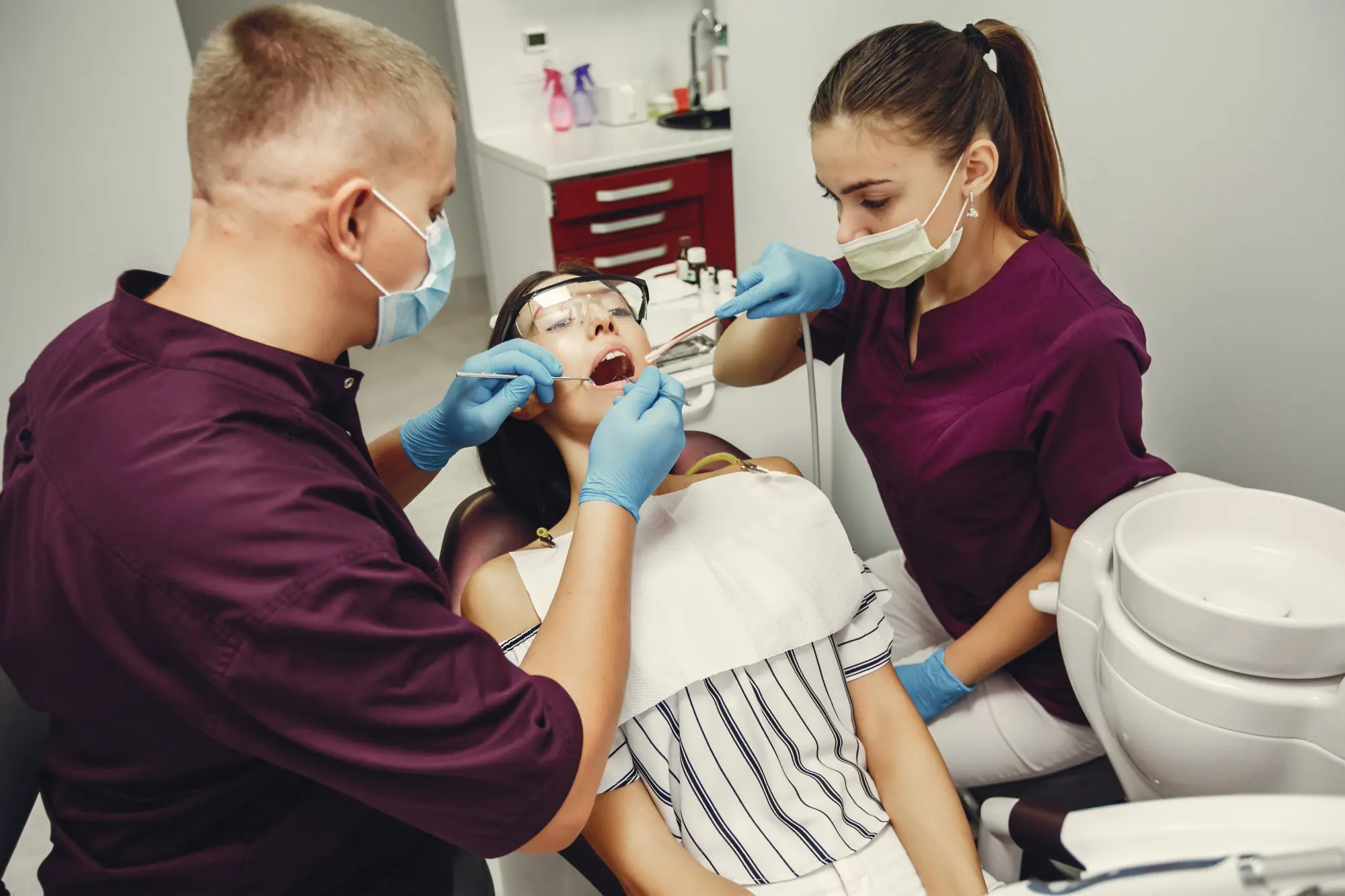
- Early clinical exposure with real patients
- Modern laboratories and advanced dental technology
- Globally recognized dental degrees
- Safe, multicultural student environment
Top Dentistry Universities in Europe
Some well-known universities offering dentistry programs include:
• Medical University of Sofia
• Carol Davila University of Medicine and Pharmacy
• Tbilisi State Medical University
• Medical University of Plovdiv
• University of Zagreb
Duration of Dentistry Programs
- Typically 5 years
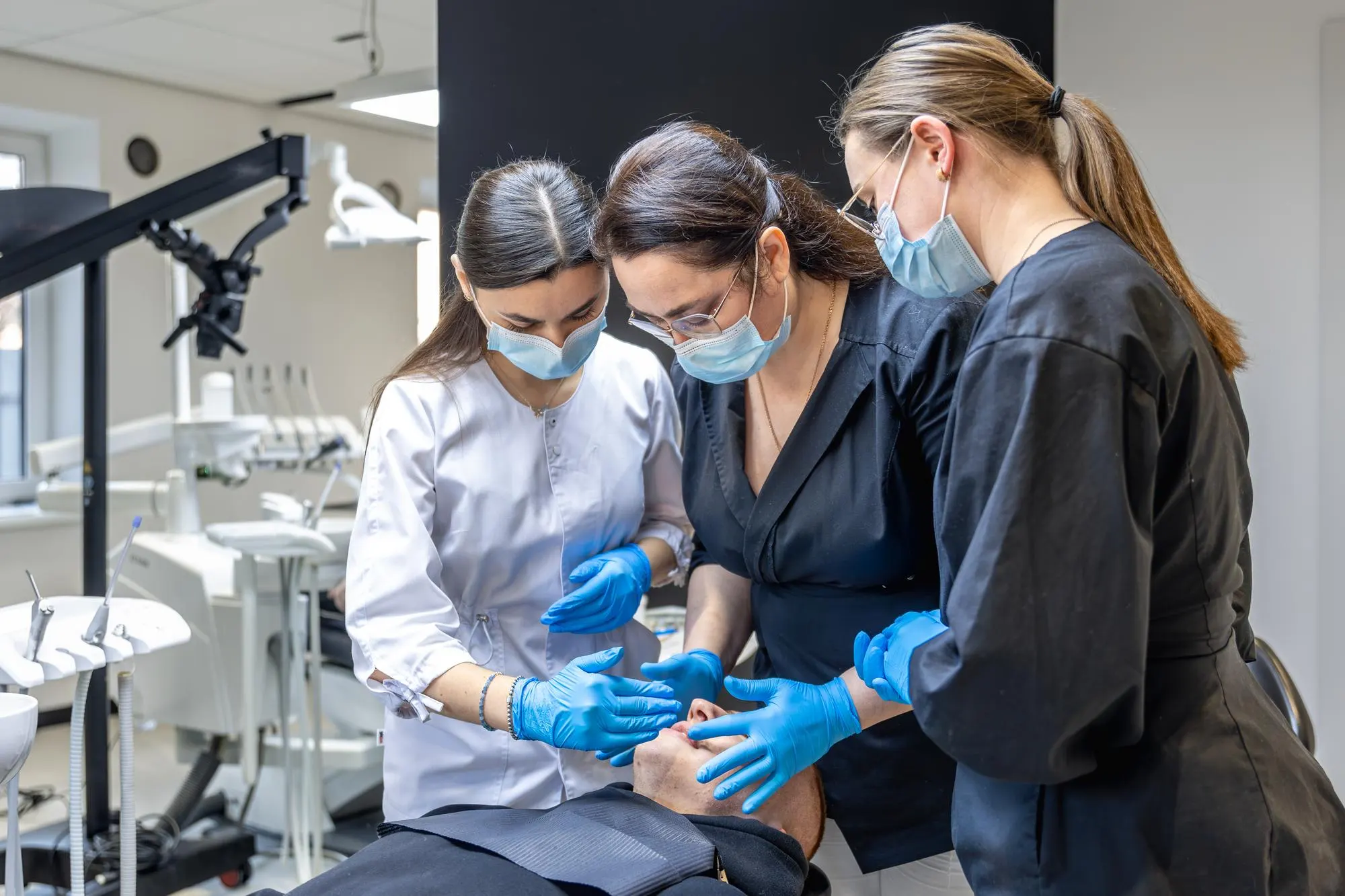
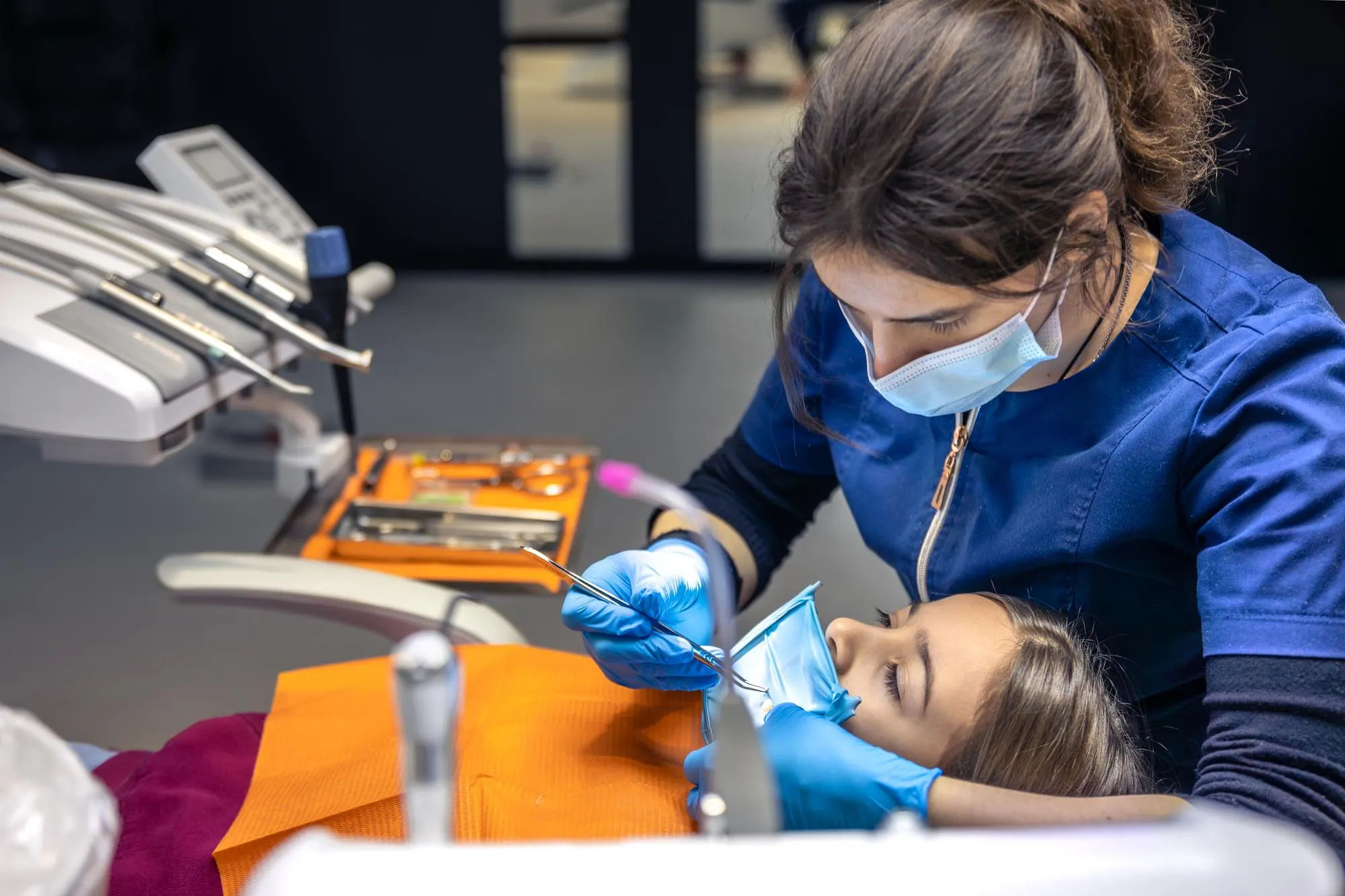
- Includes: Pre-clinical sciences ,Laboratory training, Clinical practice with real patients.
Eligibility to Study Dentistry in Europe
- Completion of secondary education (or equivalent)
• Science background (Biology required)
• Minimum age requirement as per university
• English proficiency (tests or internal assessment)
Study Dentistry in Europe Without IELTS
Many European universities allow students to study dentistry in English without IELTS. Students may qualify through:
• Previous education in English
• University-conducted interviews or internal tests
Admission Process – Step by Step
Profile evaluation
University selection based on budget and goals
Application and document submission
Admission Confirmation
Visa processing and travel preparation
Dentistry in Europe Fees for International Students
- Tuition Fees: €4,500 – €10,000 per year
- Living Expenses: €300 – €600 per month
Country Tuition Fees (Yearly) Living Cost Key Advantage
Bulgaria | €6,000 – €8,000 | €400/month | EU-recognized degrees |
Romania | €5,000 – €7,500 | €400/month | Strong clinical exposure |
Georgia | €4,500 – €6,000 | €300/month | Affordable & simple admission |
Poland | €7,000 – €10,000 | €500/month | High academic standards |
Ukraine | €4,000 – €6,000 | €300/month | Affordable & established programs |
Top Countries to Study Dentistry in Europe

Poland offers high academic standards and advanced dental facilities. It is a strong choice for students looking for academically rigorous programs and research opportunities.

Croatia combines quality education with a European lifestyle. Dental programs are modern, and universities maintain high academic and clinical standards.

Georgia provides affordable dentistry programs with modern infrastructure and English-taught courses. It is ideal for students seeking a cost-effective and straightforward admission process.

Bulgaria is one of the most preferred destinations due to its balance of affordability and quality. Universities offer structured dental programs with modern labs and strong clinical training. Degrees are widely recognized, making it easier for graduates to pursue international careers.

Romania is known for its well-established dental universities and excellent patient-based training. Students benefit from strong clinical exposure and internationally accepted degrees, particularly within Europe.

Ukraine has historically been one of the most recognized destinations for studying dentistry in Europe, offering a combination of affordable tuition fees, strong academic foundations, and extensive clinical training.
Many universities in Ukraine have long experience in training international students and provide well-structured dentistry programs in English. Students benefit from early clinical exposure, modern laboratory facilities, and a curriculum aligned with international standards.
Key Highlights:
• Affordable tuition fees compared to many European countries
• Strong focus on practical and clinical training
• Established universities with international student experience
• English-taught dentistry programs
Important Note:
Availability of programs may vary depending on current conditions, and students are advised to consult with admission experts for the latest updates and alternative options.
How to Choose the Right Country for Dentistry
When selecting a country, consider:
• Budget and tuition fees
• Cost of living
• Recognition of degree
• Career goals and licensing plans
• Preferred study environment
Career Opportunities After Dentistry in Europe
Graduates can pursue:
• Dental practice (subject to licensing requirements)
• Postgraduate specialization
• International dental careers
• Academic and research roles
Dental practice in another European country is subject to the relevant national licensing and professional-recognition requirements. Students should check the recognition of dental qualifications in Europe before choosing a university or planning to practice abroad.
Frequently Asked Questions
Is dentistry in Europe taught in English?
Yes, many universities offer fully English-taught programs.
Are dental degrees from Europe recognized internationally?
Yes, most universities provide globally accepted degrees (subject to local licensing).
What are the most affordable countries?
Georgia, Romania, Bulgaria, and Ukraine are among the most affordable.
Is entrance exam required?
Some universities require basic entrance tests or interviews.
Can international students work while studying?
Many countries allow part-time work opportunities.
When does intake start?
Usually between September and October.
Explore Other Healthcare Courses
Start Your Dentistry Journey in Europe
Take the next step toward a global dental career with expert guidance and trusted support.
Contact MedStartEdu today for a free consultation.