

Introduction
Studying dentistry in Europe has become one of the most attractive pathways for international students who want a globally recognized qualification at an affordable cost. Compared to countries like the UK, USA, or Australia, Europe offers significantly lower tuition fees while maintaining high academic standards and modern clinical training.
In 2026, demand for dentistry programs in Europe continues to grow because of three major reasons:
- Affordable tuition fees compared to Western countries
- English-taught dentistry programs in multiple EU countries
- Strong global recognition of European dental degrees
However, choosing the right country is extremely important. The cost of studying dentistry varies significantly across Europe, and students must balance affordability, education quality, clinical exposure, and future career opportunities.
This guide provides a complete breakdown of the cheapest countries to study dentistry in Europe in 2026, including tuition fees, living costs, top universities, and admission requirements.
Overview – Why Study Dentistry in Europe?
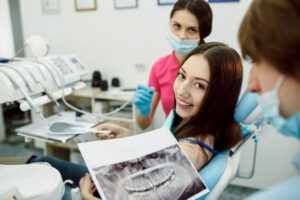
Europe is one of the most popular destinations for dentistry education because it offers a combination of affordability and high academic quality.
Key Advantages:
- Internationally recognized degrees
- Modern dental labs and hospitals
- English-medium programs
- Affordable tuition compared to USA/UK
- Opportunities to work across Europe
Most dental programs in Europe follow the EU education framework, meaning degrees are widely accepted across multiple countries.
Bulgaria – One of the Cheapest Dentistry Destinations
Bulgaria is widely considered one of the most cost-effective countries in Europe for dentistry studies.
💸 Tuition Fees
- €7,000 – €9,500 per year
🏠 Living Costs
- €350 – €600 per month
🎓 Top Universities
- Medical University of Sofia
- Medical University of Plovdiv
- Medical University of Varna
📚 Why Choose Bulgaria?
- Fully English-taught programs
- EU-recognized degree
- Affordable cost of living
- Strong practical training in hospitals
Bulgaria is especially suitable for students looking for a budget-friendly European dental degree without compromising quality.
Romania – High Quality at Low Cost
Romania is another top destination for dentistry in Europe, offering excellent education at relatively low costs.
💸 Tuition Fees
- €6,000 – €8,500 per year
🏠 Living Costs
- €300 – €550 per month
🎓 Top Universities
- Carol Davila University (Bucharest)
- Iuliu Hațieganu University (Cluj-Napoca)
- Victor Babeș University (Timișoara)
📚 Why Choose Romania?
- One of the lowest tuition fees in Europe
- Strong international student community
- Modern teaching hospitals
- Increasing number of English programs
Romania is ideal for students who want maximum affordability with strong academic quality.
Poland – Balanced Cost and High Reputation
Poland offers a slightly higher cost compared to Bulgaria and Romania but provides stronger global recognition.
💸 Tuition Fees
- €10,000 – €14,000 per year
🏠 Living Costs
- €450 – €750 per month
🎓 Top Universities
- Medical University of Warsaw
- Jagiellonian University
- Medical University of Gdańsk
📚 Why Choose Poland?
- High academic ranking in Europe
- Strong research facilities
- Widely accepted dental degrees
- Large international student population
Poland is a great option for students who want better global recognition and career flexibility.
Hungary – Premium Quality Dental Education
Hungary is known for its strict academic standards and high-quality medical education.
💸 Tuition Fees
- €12,000 – €16,000 per year
🏠 Living Costs
- €500 – €800 per month
🎓 Top Universities
- Semmelweis University (Budapest)
- University of Debrecen
- University of Szeged
📚 Why Choose Hungary?
- Very strong clinical training
- High international recognition
- Modern medical infrastructure
- Competitive entrance system
Hungary is best for students who prioritize quality and reputation over low cost.
Comparison Table – Dentistry in Europe (2026)
| Country | Tuition Fees | Living Cost | Difficulty | Recognition |
| Bulgaria | Low | Low | Easy | EU-wide |
| Romania | Very Low | Very Low | Easy | EU-wide |
| Poland | Medium | Medium | Moderate | High |
| Hungary | High | Medium | Hard | Very High |
Career Opportunities After Studying Dentistry in Europe
Graduating from a European dental university opens multiple international career paths.
🌍 Work in Europe
Students can:
- Work in private dental clinics
- Join hospitals
- Apply for licensing exams
Popular countries:
- Germany
- Ireland
- Sweden
- Poland
🌎 Return to Home Country
Graduates can return and practice after:
- Degree verification
- Licensing exams
- Local registration process
🏥 Private Practice
With experience, graduates can:
- Open private dental clinics
- Work as specialists
- Join private healthcare chains
Salary After Dentistry in Europe (2026)
Dentist salaries vary by country:
- Germany: €60,000 – €120,000/year
- Poland: €40,000 – €80,000/year
- Hungary: €35,000 – €70,000/year
- Bulgaria: €30,000 – €60,000/year
Higher specialization = higher income.
Common Mistakes Students Should Avoid
Many students make costly mistakes:
❌ Choosing only based on lowest tuition
❌ Not checking university recognition
❌ Ignoring licensing requirements
❌ Poor research on living costs
❌ Not verifying English program quality
Final Conclusion
The cheapest countries to study dentistry in Europe in 2026 are clearly Bulgaria and Romania, offering the best combination of affordability and quality education.
If you want higher academic reputation and stronger global recognition, Poland and Hungary are better choices.
Overall, Europe remains one of the best destinations for dentistry due to its:
- Affordable education system
- International recognition
- Strong career opportunities
Explore more: study dentistry in Europe in English